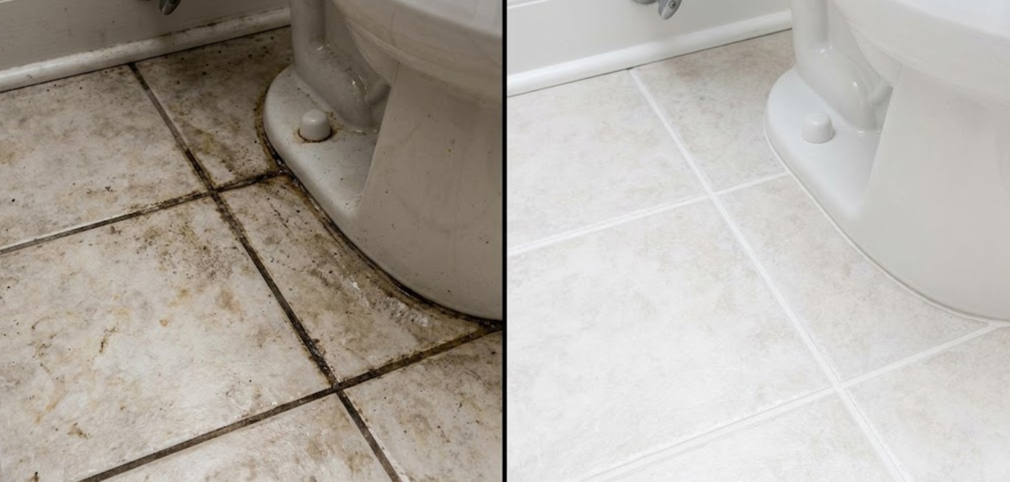
How to Clean a Bathroom Professionally: The Complete Deep Clean Guide for Atlanta Homes
Your bathroom might look clean. But looks are deceiving in this room more than any other in your home.
Research published in the Journal of Applied Microbiology found that bathrooms often contain more bacteria per square inch than even kitchen sinks. Bacteria including E. coli, Staphylococcus aureus, and Pseudomonas aeruginosa thrive on faucets, toilet seats, and showerheads, often invisible to the naked eye but significant in number and health impact.
That is the reality behind every Atlanta bathroom. The good news is that a proper professional deep clean eliminates all of it. This guide walks you through exactly how to do it, surface by surface, in the right order, with the right products.
Why Regular Wiping Is Not Enough
Most homeowners wipe the sink, swish the toilet bowl, and call it done. That routine matters, but it does not address what a bathroom actually accumulates over time. The toilet, sink, and countertops are the most highly contaminated areas in the bathroom and should be cleaned at least twice a week to minimize the spread of illness-causing microbes.
When you flush a toilet, germs inside can propel outward and land on other bathroom surfaces, including E. coli and norovirus, as well as microparticles of waste. Simply closing the lid before flushing makes a real difference in keeping those germs contained.
A professional bathroom deep clean goes beyond the visible surfaces. It targets grout lines, showerhead limescale, mold growing in caulk seams, and the bacteria living in tile corners that never fully dry. Atlanta's humid climate accelerates all of this, which is why professional-level cleaning matters here more than in drier cities.
Supplies You Need Before You Start
Do not start cleaning until everything is within arm's reach. Stopping mid-session adds time and breaks your momentum.
What professionals use:
- EPA-registered disinfectant spray (or 50/50 white vinegar/water)
- Toilet bowl cleaner with a dedicated brush
- Grout scrub brush and an old toothbrush for tight spaces
- Multiple microfiber cloths (never cross-contaminate!)
- Baking soda for grout paste and odor neutralizing
- White vinegar for limescale, soap scum, and showerhead buildup
- Glass cleaner for mirrors
- Rubber gloves (every time, no exceptions)
- Mop and bucket reserved for the floor at the very end
One critical safety rule: never mix bleach with vinegar, ammonia, or any other cleaner. The combination creates toxic fumes. Choose one cleaning approach and stay consistent throughout the session.
The Professional Bathroom Deep Clean: Step by Step
Step 1 — Start the Showerhead Soaking First
The showerhead takes the longest to descale, so start it before anything else. If the showerhead is removable, detach it from the arm and submerge it in a bucket filled with white vinegar. Set a timer for 30 minutes and work on other areas while it soaks. After the time is up, use an old toothbrush to scrub away the loosened limescale and rinse with clean water.
For attached, non-removable showerheads, fill a sturdy plastic bag with enough white vinegar to fully cover the showerhead, secure it to the arm with a rubber band, and wait 30 minutes.
This is the same method professional cleaners use. The vinegar's acidity dissolves mineral deposits without scratching the fixture's surface. Atlanta's water supply tends to leave significant limescale buildup, so this step should never be skipped.
Step 2 — Apply Toilet Bowl Cleaner and Let It Dwell
Squirt toilet bowl cleaner generously around the inside rim of the toilet bowl and let it sit while you work on the rest of the bathroom. The dwell time does the hard work for you.
The toilet bowl is a breeding ground for bacteria, including potentially harmful ones like E. coli and other pathogens. Regular deep cleaning removes these germs and reduces the risk of illness spreading throughout the household. Do not touch the toilet brush yet. Let the cleaner sit for at least 10 minutes.
Step 3 — Spray All Tile, Grout, and Shower Surfaces
Spray all surfaces including tile, grout, fixtures, and glass doors with a bathroom cleaner and then wait. The real secret to deep cleaning a shower is time. Giving your cleaner three to five minutes to take effect allows it to break down soap scum, hard water deposits, and even mold before you start scrubbing.
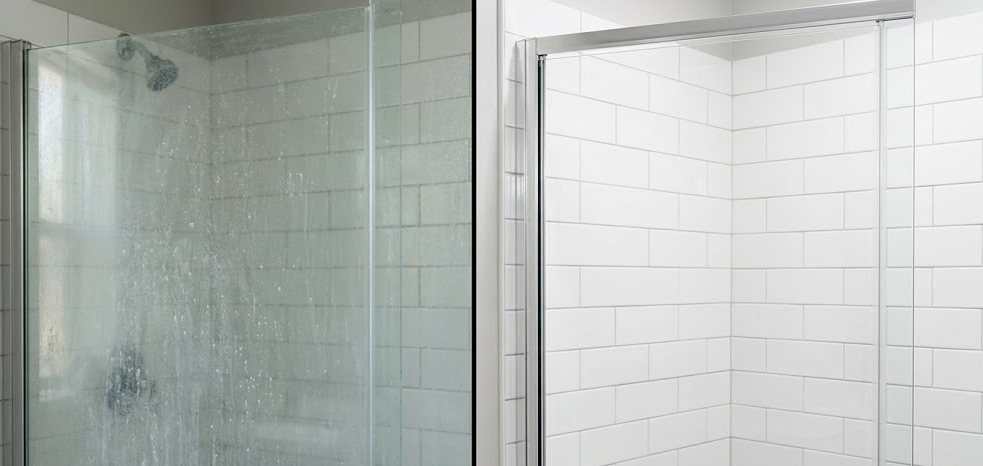
For soap scum on glass shower doors, use a paste made from one cup baking soda, a quarter cup dish soap, and a quarter cup water. Apply it, let it sit for 10 to 15 minutes, then scrub in circles and rinse thoroughly.
For tile and grout, a solution of equal parts water and white vinegar in a spray bottle is an excellent starting point. Spray it onto the tile, let it sit for 10 to 15 minutes to allow the acid to break down the soap scum, then use a soft-bristled brush working from the top down.
Step 4 — Scrub the Grout Lines
Grout is where bathrooms age fastest, and it is where mold establishes itself most stubbornly. Mold and mildew require a different approach than soap scum. You need to kill the organisms, not just remove the visible stains. For severe mildew in grout, apply a bleach solution of one part bleach to ten parts water directly to affected areas. Let it sit for 10 to 15 minutes before scrubbing.
For a non-toxic alternative that professionals also use: make a paste of two parts baking soda and one part hydrogen peroxide. Apply it directly to the grout lines, let it sit for up to an hour, then scrub with a stiff brush or old toothbrush. After every shower going forward, run the bathroom exhaust fan for at least 15 minutes and keep surfaces as dry as possible.
Step 5 — Clean the Sink, Faucets, and Countertop
The bathroom sink is one of the most bacteria-dense surfaces in your home. Frequent cleaning helps remove bacteria and unpleasant odors, preventing the spread of germs and reducing the risk of illness. The sink should be cleaned at least once a week.
Scrub the basin with baking soda and a damp cloth, paying special attention to the drain opening and the area around the faucet base where soap, toothpaste, and mineral deposits collect. Use an old toothbrush to get into the gap between the faucet and the countertop.
For limescale on faucets, soak a small cloth in white vinegar and wrap it around the faucet. Leave it for 30 to 60 minutes, then wipe clean. The acid dissolves the mineral layer on contact, making this far more effective than scrubbing without dwell time.
Step 6 — Scrub the Toilet Completely
By now your toilet bowl cleaner has been sitting for 15 to 20 minutes. Time to scrub. Work the brush under the rim first, then around the entire bowl, paying attention to the waterline where staining is most common. Flush to rinse.
For the exterior of the toilet, use a disinfectant spray and a fresh microfiber cloth. Clean the tank, the lid, the seat (top and underside), the base, and the floor around the base. Never cross-contaminate.
For the toilet seat, flush lever, and cover, use an all-purpose cleaner with separate paper towels or disinfecting wipes. To preserve the gloss on the seat, a mild soap and water solution followed by thorough drying works best. If there is mineral buildup inside the tank: Pour four cups of white vinegar into the tank and let it soak for up to an hour.
Step 7 — Clean the Mirror and Wipe Down Doors and Light Fixtures
Spray glass cleaner directly onto the mirror and wipe in a Z-pattern with a clean microfiber cloth. Never use a paper towel on mirrors because they leave lint. A microfiber cloth delivers a streak-free finish every time.
Wipe down light switch plates, door handles, cabinet fronts, and towel rails with a disinfectant spray and cloth. These high-touch surfaces are skipped in most routine cleans but carry significant bacteria from daily contact.
Do not forget the exhaust fan cover. Remove it, shake out the dust, and wipe it clean. A clogged exhaust fan is the number one reason Atlanta bathrooms develop persistent mold problems. The fan exists to pull moisture out of the room. If it is coated in dust, it is not doing its job.
Step 8 — Finish with the Floor, Always Last
Spray every surface generously with cleaner and let it soak for 15 to 20 minutes before mopping. For tile floors, pay special attention to grout lines on the floor, which trap dirt and moisture faster than wall grout. Scrub the floor grout with a stiff brush and your baking soda or vinegar solution. Mop from the farthest corner toward the door so you are never stepping on freshly cleaned areas.
How Often Should You Deep Clean Your Bathroom in Atlanta?
Atlanta's humidity means bathrooms here develop mold and soap scum faster than in drier climates. Here is a practical cleaning frequency guide:
- Daily: Wipe the sink and countertop after use. Run the exhaust fan after every shower. Squeegee glass shower doors to prevent soap scum buildup.
- Weekly: Full surface clean of toilet, sink, shower, and mirror. Spot-scrub visible grout. The toilet, sink, and countertops should be cleaned at least twice a week.
- Monthly: Descale the showerhead, scrub grout lines thoroughly, wash shower curtains and bath mats, and clean the exhaust fan cover.
- Every 3 to 6 months: Full professional-level deep clean covering every surface, every fixture, behind the toilet, inside the tank, and all hidden areas.
Spots That Most Atlanta Homeowners Always Miss
- The underside of the toilet rim (bacteria accumulate here invisibly)
- The rubber door seal on the shower enclosure (mold grows in this gap silently)
- Behind and underneath the toilet base
- The toothbrush holder (one of the germiest spots in the entire bathroom)
- Grout lines on the floor near the toilet base
- The exhaust fan cover and interior
- Shampoo bottle bottoms where pink mold builds up on the shower shelf
When to Call a Professional Bathroom Cleaning Service in Atlanta
A full bathroom deep clean done properly takes one to two hours per bathroom. For homes with two, three, or more bathrooms, that is a serious time commitment. Add in Atlanta's humidity-driven mold challenges and the specialized techniques needed for grout restoration and limescale removal, and it becomes clear why so many Atlanta homeowners book a professional service instead.
Whether you manage an Airbnb rental in Midtown, own a home in Decatur or Sandy Springs, or simply want your bathrooms restored to genuinely clean, a professional bathroom cleaning service in Atlanta handles everything in this guide and more.